As seen in Winter 2025 issue of Influents
Hiawatha First Nation is a growing and thriving community of more than 1,089 citizens as of 2025, located on the north shores of Rice Lake approximately 30 kilometers south of Peterborough, Ontario. In an effort to end more than 20 years of boil water advisories (BWAs), the community embarked on a mission to implement long-term water treatment solutions but faced several challenges along the way.
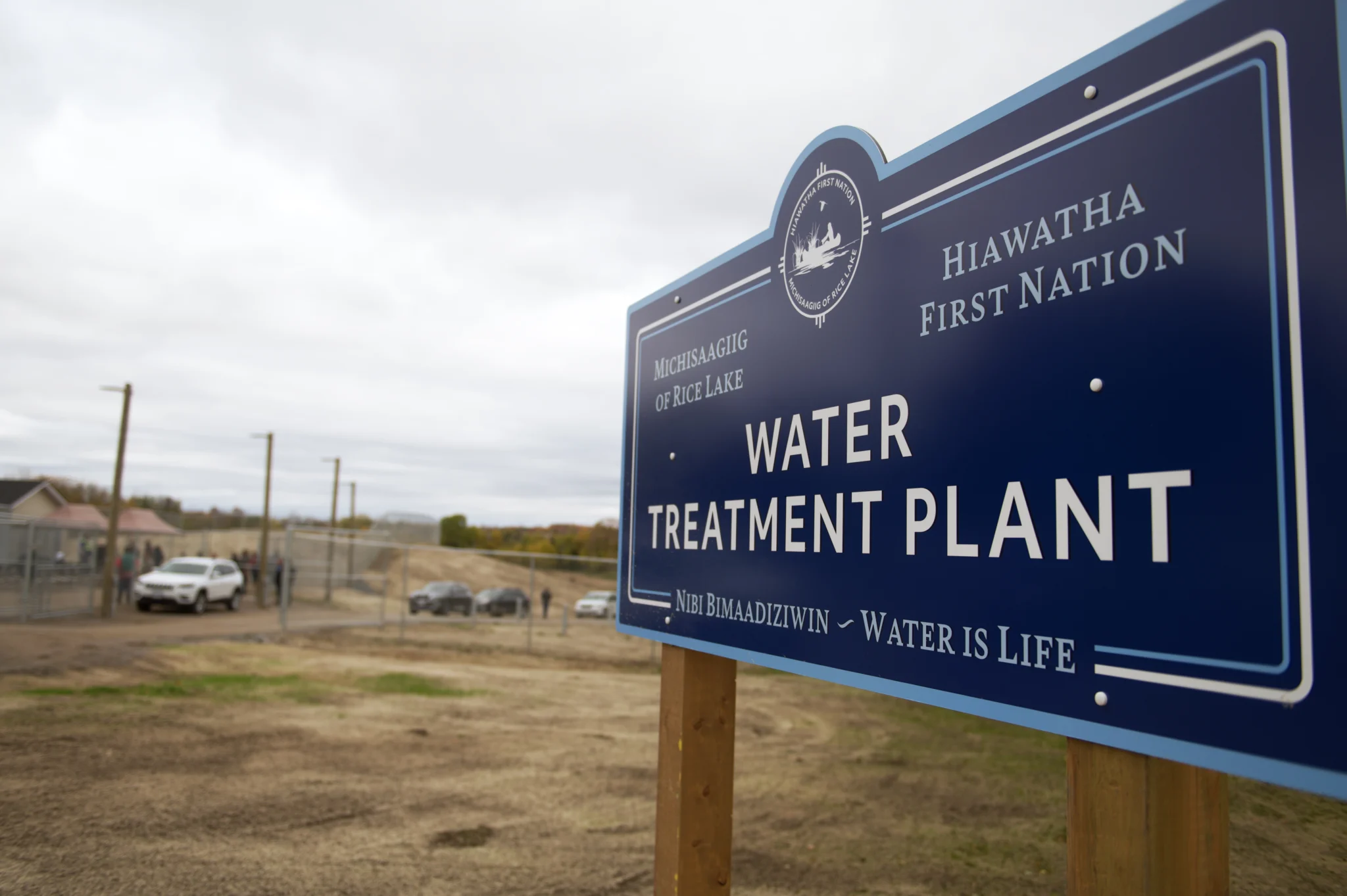
To overcome installation and operational challenges with its water systems, Hiawatha First Nation engaged a Professional Project Management team to help guide the project’s delivery. The community successfully completed the first phase of its new water treatment plant and distribution system in 2023, marking a significant milestone in its ongoing efforts to provide residents with safe and clean drinking water.
The Hiawatha Water System Upgrade Project began in early 2019. Over the next four years, the project team encountered numerous alterations to its scope, resources and schedule – each creating unique challenges and valuable opportunities.
Navigating Change
Change is an inherent part of every project, and effective management is critical to its success. Hiawatha First Nation and the Professional Project Management (PPM) team worked together to implement a structured change control process, conduct thorough assessments and maintain clear communication to minimize impacts on a project’s cost, schedule and quality. When project teams take a proactive and organized approach to change, it becomes a pathway to successful project delivery that meets the community’s expectations and industry standards.
The Hiawatha Water System Upgrade Project was no exception. The project tested the team’s ability to adapt and turn obstacles into opportunities for stronger outcomes.
1. Evolving Project Scope
Few projects unfold exactly as planned. Careful planning, technical studies and due diligence are essential to achieving project objectives. Hiawatha First Nation’s water upgrade project began with an idea to install decentralized treatment units to create a smaller-scale system that treats wastewater at or near its source rather than in a centralized plant.
The intent was to design and construct 150 point-of-entry (PoE) treatment systems inside homes and communal buildings that would treat groundwater to a quality that meets or exceeds Canada’s stringent aesthetic objectives and operational guidelines. As technical studies and design progressed, however, the project team gained a better understanding of the capacity of the existing wells.
For example, the pump rate would need to restrict home usage to 3 gallons-per-minute (GPM) to avoid creating a water shortage. Additionally, staggering equipment backwash over a two-hour period would be essential to allow well water levels to recover. Ultimately, the team determined that a hybrid solution would be the most cost-effective and sustainable option to provide potable drinking water to the community.

The hybrid solution involved designing and constructing a centralized, groundwater-based, pre-packaged water treatment plant and distribution system with connections to some service buildings, as well as the design and construction of 15 residential units and upgrades to five existing communal PoE systems in external enclosures outside of the distribution network.
This solution better meets the needs of residents and reduces the risk of water shortages by providing each home with a 325-litre daily usage cap – a conservative estimate based on the daily usage rates of families of four.
This change in scope – from a single, decentralized solution to a dual approach – highlighted the importance of adaptability. The project team delivered the PoE system using a Construction Manager at Risk (CMAR) model, while the centralized treatment plant followed a Design-Bid-Build (DBB) approach. Selecting delivery models best suited to each component enabled the project team to complete both aspects successfully.
2. Resourcing Changes
Multi-year projects often see changes in personnel, but this one experienced shifts in nearly every corner – including the owners, design consultants, project managers, engineers, Indigenous Services Canada (ISC) capital management and even the construction manager. This level of change highlighted the importance of knowledge transfer, team bench strength and information transparency.
To manage transitions, the PPM team developed and maintained a communications plan to onboard new team members quickly. Together, the team implemented a Quality Management System (QMS) to support document control, along with email logs and document transfer tools to reduce the risk of misinformation.
Standard project management practices, such as meeting minutes and monthly reports, were also essential for tracking progress and sharing key milestones with collaborators. These systems allowed new members to step in quickly, reducing delays and minimizing the risks often associated with resourcing changes.
3. COVID-19 Impacts
Because the project began in 2019, nearly every phase was directly affected by the pandemic. The project team adapted by prioritizing health and safety during community engagement sessions to protect the well-being of the Hiawatha First Nation community and project team members.
Many in-person sessions were replaced with hybrid meetings, and the team strategically adjusted through scope and schedule reviews to keep the project moving forward.
Supply chain disruptions posed another challenge. By staying proactive and flexible with manufacturing capacity, the project team navigated delays and kept the project on track despite global uncertainties.
4. Funding Agencies and Scope Change
The project was originally budgeted at $5.4 million, with cost-sharing among the federal and provincial governments and Hiawatha First Nation as the project owner through funding secured via ISC’s Small Communities Fund.
Once the pandemic hit, project costs rose to $11 million. To close the gap, Hiawatha First Nation secured additional funding through ISC and the Investing in Canada Infrastructure Program (ICIP) – Green Stream.
This experience reinforces a critical lesson: when the project scope evolves, strong communication with funding partners is essential
Early, transparent and ongoing communication with funding agencies helps ensure the right resources are in place and protects the community from financial risk.
Turning Experience into Lessons Learned
Each challenge in Hiawatha First Nation’s journey provided valuable insights for future infrastructure initiatives. These lessons learned highlight how proactive planning, clear communication, adaptability and resilience can turn obstacles into opportunities and set communities up for lasting success:
- Define the scope early. Have a clear understanding of your project scope before tendering. Explore all options and select the most appropriate delivery model to prevent mid-stream scope changes.
- Plan for delays. Account for equipment and resourcing lead times, including potential load restrictions, supply chain interruptions and other unforeseen circumstances that may impact project schedules.
- Begin handover early. Develop a solid communications plan and community handover plan, and begin resident education on system operations early in the project. For water systems and other infrastructure, operations and maintenance life begins at turnover – making early training critical to long-term success.
- Stay adaptable. As with all projects, anticipate obstacles and apply a solutions-focused approach to reduce misinformation, downtime and scope-creep.
 For Hiawatha First Nation, completing Phase One of its new water system marked the end of a decades-long boil water advisory and the start of a healthier, more resilient future.
The project uncovered lessons in flexibility, planning and communication that can be applied to infrastructure projects across Canada. Ultimately, the First Nation’s success proves that when change is managed effectively, it becomes a catalyst for stronger project outcomes and long-term benefits that will serve generations to come.