
Canada’s housing and infrastructure sectors are facing unprecedented pressures, from rising demand and affordability challenges to keeping up with government targets for faster delivery. Modular housing and prefabrication offer a promising solution. But success doesn’t come automatically – it requires the right delivery model.
With more than 50 years of combined experience in the construction industry, we can say with certainty: a traditional Design-Bid-Build approach does not work for modular construction. Modular and prefabrication projects succeed when owners, designers, modular manufacturers and contractors collaborate from the outset. Without early alignment, project owners risk missing opportunities and adding complexity.
Modular construction vs. prefabrication
The terms modular construction and prefabrication often get used interchangeably, but they aren’t the same.
-
- Prefabrication refers broadly to building components manufactured off-site, such as wall panels, roof trusses or bathroom pods, that crews later assemble on-site.
- Modular construction is a type of prefabrication. Manufacturers build entire three-dimensional volumes, or ‘modules’ in a factory setting. Each module contains finished elements such as framing, drywall, flooring, plumbing and even fixtures, before crews transport it to a site, attach it to a foundation and stitch modules together to form a complete building.
This difference matters. Since modules arrive on-site fully built, you shift a greater portion of labour off-site, shortening schedules dramatically and reducing exposure to weather and site risks.
Four ways to unlock success with modular housing
Modular and prefabricated construction change how affordable housing projects – also referred to as social, supportive or community housing projects – come together. They blend design, manufacturing, transportation and on-site assembly into a more integrated process. To succeed, project owners need more than technical knowledge – they need a collaborative delivery model that aligns project phases and teams, from planning and design to tender, construction and delivery. Collaborative delivery models such as Progressive Design-Build (PDB) and Integrated Project Delivery (IPD) provide the framework for this alignment, creating the accountability, trust and early manufacturer and contractor involvement required for modular projects to achieve their full potential.
There are four key factors that can significantly impact whether a modular or prefabricated project will succeed optimally.
1. Early collaboration
Modular and prefabrication project owners require a clear understanding of the impacts of design choices on the logistics of transporting modules or panels from a factory to a project site. For example, some factories are limited to manufacturing modules of a certain size, while others face transport restrictions. If an architect designs an 18 ft. room without consulting the manufacturer, there is a risk the design may be too large to transport to a site.
This is why collaborative delivery models align so well with modular housing projects. Unlike traditional methods such as Design-Bid-Build (DBB) where teams work in sequence, modular construction requires design, manufacturing, transportation and on-site assembly to move in lockstep. The factory may rough in the mechanical and electrical components of the module while the site team completes foundations. Unless those scopes align, you lose the speed and efficiency that modular or prefabricated construction promises.
The takeaway: Engage with your chosen modular or prefabrication manufacturer, designer, project management team and contractors from day one via a collaborative delivery model. Doing so enables you to align design with manufacturing, logistics and site construction to avoid wasted time and costly redesigns.
2. Experienced teams
Modular and prefabricated construction accounts for approximately 7.5 percent of Canada’s total construction market, with an anticipated annual compound growth rate of five percent between now and 2029, driven primarily by the lodging, education and multifamily segments. The potential is encouraging, however the number of experienced players remains small. There are several reasons for this:
-
- Scale of demand. Canada’s modular and prefabrication market is still young and represents a fraction of total construction. With fewer projects, fewer companies have large portfolios of modular and prefabrication experience.
- High barriers to entry. Building modular and prefabricated housing requires upfront investment in factories, equipment and technology. Only a limited number of specialized manufacturers operate at scale, which narrows the supply base available to owners and builders.
- Gradual learning curve. Modular and prefabricated construction projects require a different mindset. Designers, contractors and trades must coordinate factory-built and site-built scopes in new ways, which can be challenging for new teams to grasp and manage.
- Procurement lag. Until recently, most municipal and government procurement processes were built around traditional construction methods. Requests for Proposals (RFPs), timelines and approval criteria don’t always fit the realities of modular or prefabricated delivery. As a result, even experienced teams have limited opportunities to compete, win work and build up their modular portfolios.
The takeaway: Because the pool of proven modular and prefabricated construction teams is relatively small, it’s important to prequalify carefully. Look for modular or prefabrication expertise alongside a proven track record of successful delivery. Where expertise is limited, lean on project delivery advisors who are familiar with modular construction and collaborative delivery models. Industry resources like the Modular Building Institute can also provide guidance on modular construction and prefabrication best practices.
3. Speed over cost savings
Many project owners assume modular and prefabricated construction will be less expensive. In reality, initial costs often match or slightly exceed those of conventional builds. The real payoff lies in speed.
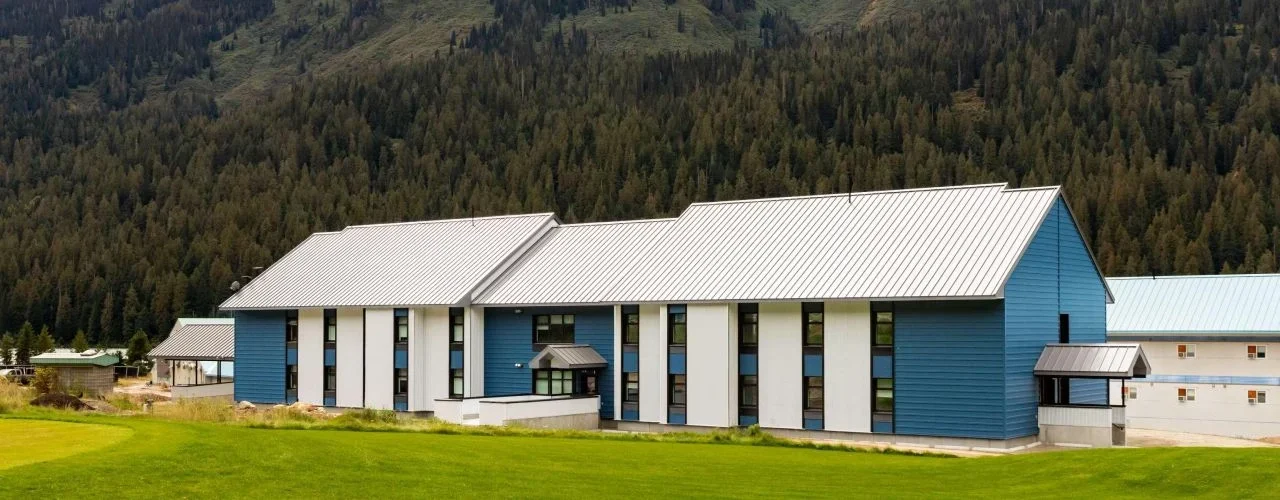
Take BC Hydro’s Mica Studio Dorms project as a case in point. Located in a remote, mountainous region of British Columbia, BC Hydro needed to upgrade on-site accommodations for Mica Generating Station and Dam employees. A conventional 40-unit build in such a location could have taken 18 months or more. By adopting a modular approach, the project team delivered the first 20 units in just eight months – cutting the typical timeline nearly in half. With affordable, social, supportive or community housing projects, those saved months matter: they reduce carrying costs, accelerate government funding approvals tied to delivery, and most importantly, provide people with homes faster.
Prefabrication and panelized systems can also greatly reduce the project schedule. For example, the Evergreens Foundation built the Pine Valley Lodge, a 100-bed seniors’ lodge in Hinton, Alberta, using prefabricated and panelized components. By shifting much of the work off-site, the project finished five months faster than a conventional build, while providing the community with a modern, 91,500 sq. ft. age-in-place facility that better supports local seniors.
The same principle applies in the private sector. Whether it’s a modular or prefabricated seniors’ residence, hotel or school, these projects can open 25 to 50 percent faster, generating revenue sooner and reducing months of financing, insurance and carrying costs.
The takeaway: The greatest benefit of modular and prefabricated construction is speed. It enables project owners to move people into homes sooner, unlock funding tied to delivery targets and create lasting value in communities.
4. Higher quality and safer worksites
There is a widespread belief that modular and prefabricated construction compromises quality, but the opposite is true. Building in a factory can create both higher-quality outcomes and safer building conditions.
In a controlled environment, materials stay dry and protected, trades work in stable conditions, and supervisors can monitor quality across every module. Modules also need to withstand transport and craning, so manufacturers use more structural material to produce units that are often stronger than conventional ones.
Worksites also become safer. In traditional construction, workers face risks working at heights, handling materials in extreme weather, or navigating uneven, debris-filled sites. Modular and prefabricated construction shifts much of that labour to indoor manufacturing environments that are ground level, clean, and climate-controlled. When housing modules arrive on-site, crews need to spend less time exposed to active construction risks.
The takeaway: Modular and prefabricated construction projects don’t just save time, they deliver stronger, higher-quality buildings while creating safer conditions for workers.
Strengthening communities
Modular and prefabricated construction changes more than how we build homes – it changes how we deliver projects. Success doesn’t come from the modules themselves; it comes from aligning the right people with the right processes and delivery model.
When municipalities, non-profit organizations and other affordable housing providers choose a collaborative delivery model, they unlock the real strengths of modular and prefabricated construction: speed, quality and safer outcomes. That means moving people into homes sooner, strengthening communities faster and maximizing the return on every investment.
If you’re considering modular or prefabricated construction for your next affordable housing project, start by choosing a delivery model like PDB or IPD to foster early collaboration. It’s the first important decision you’ll make to ensure your modular housing project delivers on its promise.
Interested in learning more? Connect with our housing experts today.